Mission, Vision, and Theme
Mission
The purpose of Wisconsin Lutheran Seminary is to equip pastors for the Wisconsin Evangelical Lutheran Synod or for churches and cultural groups within its confessional fellowship.
In partnership with sister seminaries and theological training programs of its fellowship, WLS accomplishes that singular purpose with two distinct emphases:
- Primarily, WLS prepares men to begin pastoral ministry by providing the spiritual, theological, and professional training needed to enter that ministry.
- WLS also partners with pastors in their ministry-long pursuit of spiritual and professional growth.
Vision
Wisconsin Lutheran Seminary forms confessional Lutheran pastors by supporting their growth in Christian faith, biblical wisdom, theological knowledge, and pastoral skill. We accomplish this by providing a gospel-focused, academically excellent curriculum and by nurturing a strong seminary family.
Theme
Pastors Forming Pastors to Proclaim God’s Praise (Isaiah 43:21)
Goals and Initiatives
WE FORM PASTORS by fostering a pastors-training-pastors culture that is academically strong and that provides a faithful worldwide voice of gospel-focused Confessional Lutheran leadership.
- Implement the academic recommendations identified through the 2023–24 WLS Self Study.
- Create and implement a comprehensive institutional assessment plan.
- Document the roles and responsibilities of the Governing Board to support its members in their oversight work.
- Assess programs that vet and train PSI candidates in North America and strengthen collaboration with WELS World Mission One Teams.
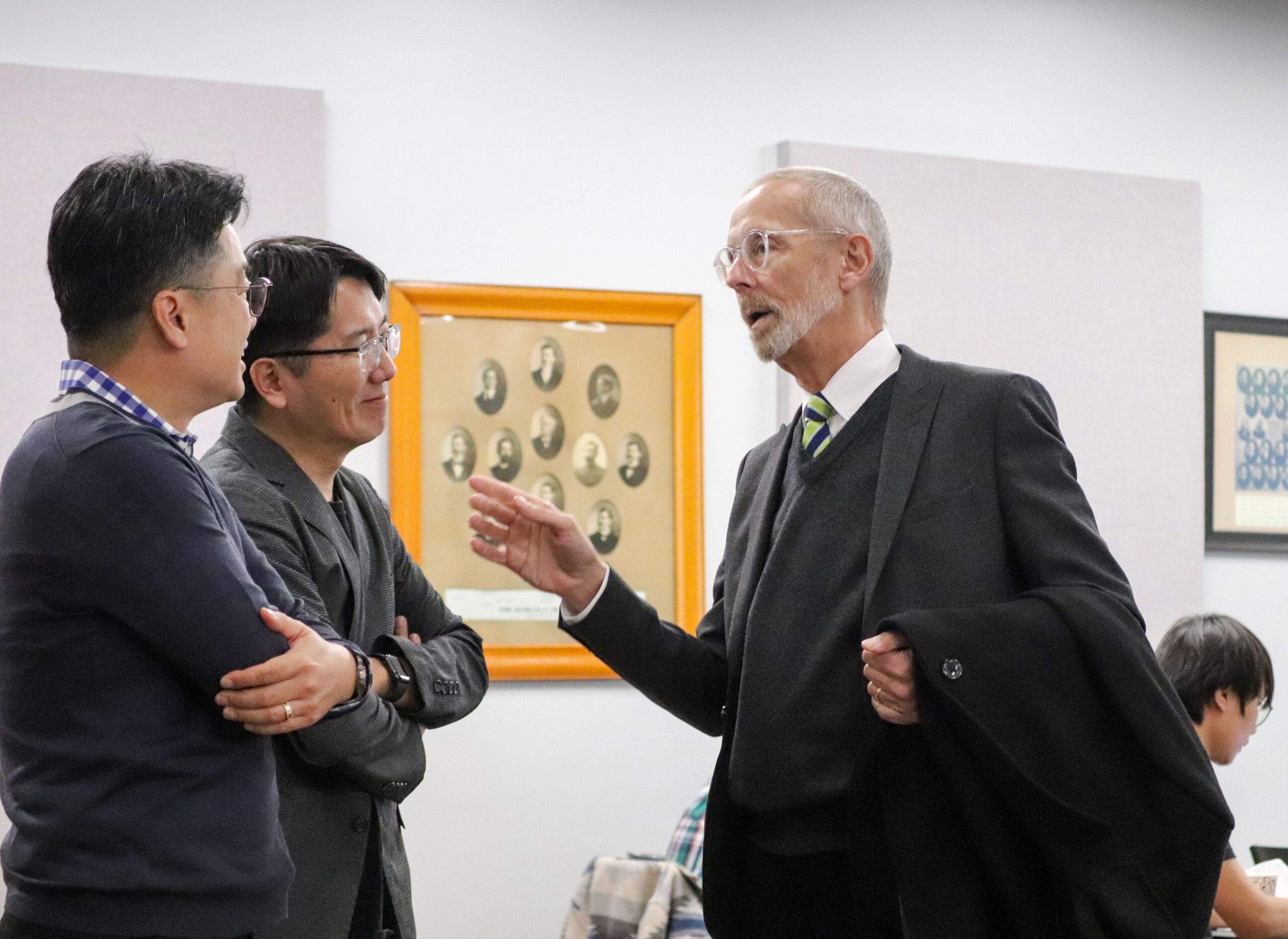
WE FORM PASTORS by supporting a faculty that is collegial and well equipped for their tasks academically, andragogically, and technologically.
- Create a training curriculum to help the faculty gain expertise in sound teaching methodology and the effective use of technology.
- Establish reasonable parameters for academic and administrative workloads to provide time for research and writing.
- Develop a plan for regular collaboration among faculty on our campus and throughout our ministerial education system.
- Evaluate the sabbatical policy for faculty members, including the possible reinstatement of the parish sabbatical program.
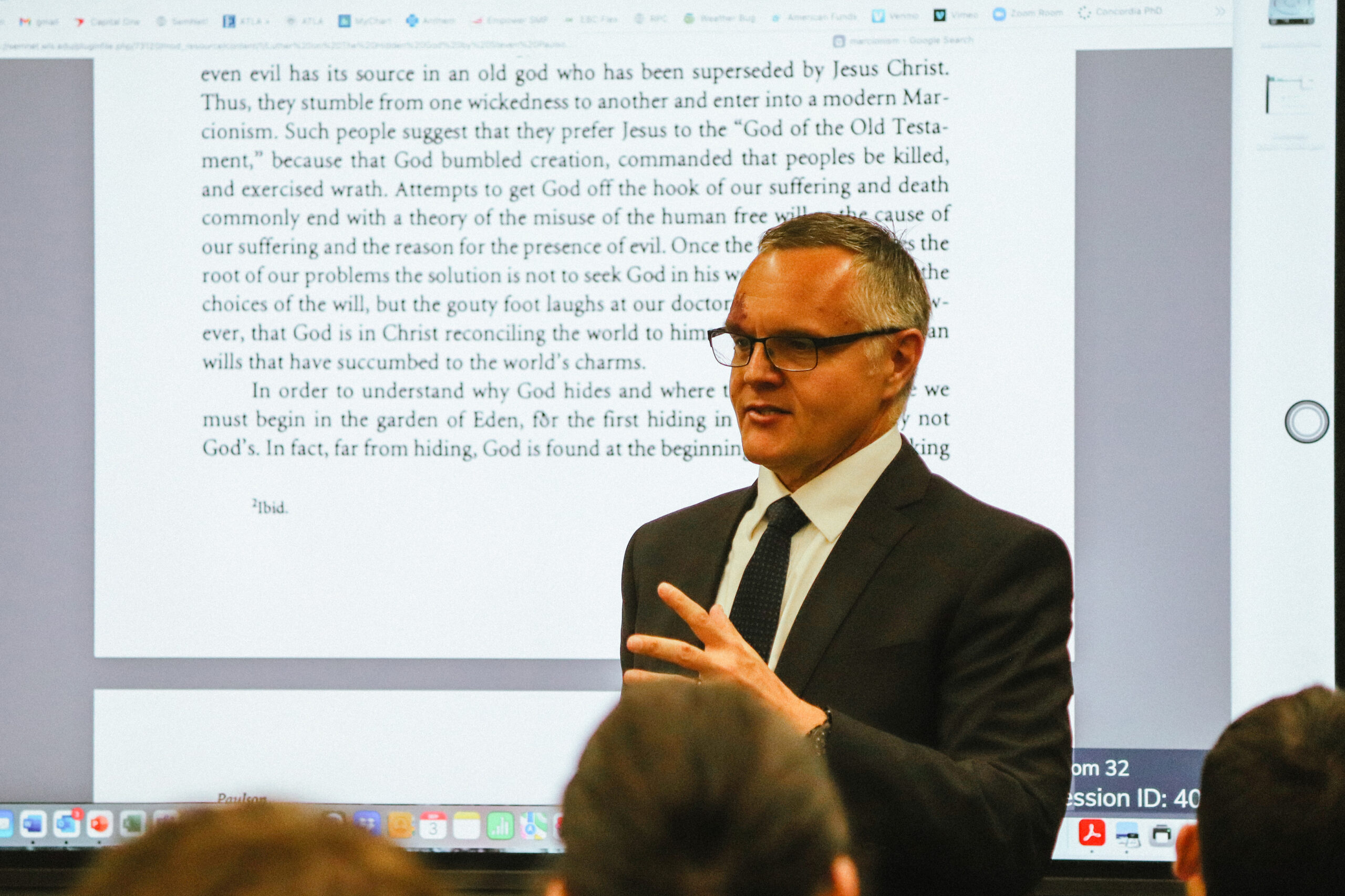
WE FORM PASTORS by providing experiential learning opportunities so as to foster zeal and competence in reaching the lost and equipping and partnering with the saints.
- Formalize training and experiences to help students and faculty grow in intercultural competence.
- Explore the possibility of a foreign professor exchange.
- Develop training modules to support and encourage vicar supervising pastors throughout the year.
WE FORM PASTORS by fostering strong relationships within the seminary family so that evangelical encouragement can be shared publicly, privately, and personally.
- Identify resources that promote excellence in campus worship.
- Develop appropriate goals for the student advising system.
- Assess current and potential avenues for student-to-student encouragement.
- Expand opportunities to integrate students’ wives and children into the seminary family.
- Make appropriate portions of policy manuals available to students and staff.
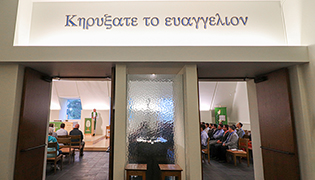
WE FORM PASTORS by helping faculty, students, and pastors to delight in, and live out, the doctrine of vocation.
- Establish a committee to promote faithful stewardship of physical health.
- Study the feasibility of delivering the STM program with current staffing.
- Conduct a comprehensive review of the president’s duties.
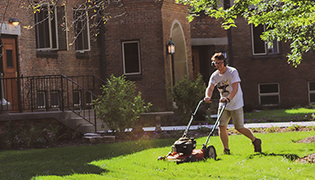
WE FORM PASTORS by providing capable staff and a campus whose beauty and facilities support the delivery of the curriculum and the needs of the seminary family.
- Construct classrooms, large and small group study areas, accessible faculty and staff offices, and a dedicated space for fellowship by 2029–2030.
- Enhance the library by renovating its physical spaces, expanding its menu of electronic resources, and training the library staff to support the provision of resources.
- Conduct a biennial review of staffing and technological needs to handle administration efficiently, apply technology effectively, and utilize faculty wisely.
- Establish a plan to make the campus even more user friendly and readily accessible as an exercise, fellowship, and recreation resource for the seminary family.
- Formalize the solicitation of broad input in the biennial budgeting process.